Tattoo healing has a surface timeline and a deeper one, and confusing the two causes most healing mistakes. The surface usually looks healed in about two weeks: flakes gone, shine fading, the piece starting to look like part of your skin. Underneath, the skin keeps rebuilding for several more weeks, which is why a tattoo can look perfect and still feel tender, raised or slightly shiny at week three.
Knowing the stages keeps normal healing from feeling alarming. Nearly everyone worries at the flaking stage, and nearly everyone is tempted to do something unhelpful at the itching stage. Here is the usual run of it for a typical piece, with the understanding that large, heavily saturated work heals slower than small line work.
Days one to three: the open stage
The fresh tattoo weeps a little plasma and ink in the first day, which is normal and is why the bandage looks dramatic when it comes off. The area feels like a mild sunburn: warm, tender, slightly swollen. Washing gently with your hand, lukewarm water and unscented soap, then patting dry, is the whole job. Many studios advise holding off on lotion for the first couple of days while the skin is producing its own moisture, then starting with a very thin layer of mild, fragrance-free lotion. Thin is the operative word. A tattoo should never look greasy or suffocated.
Days four to seven: flakes and the itch
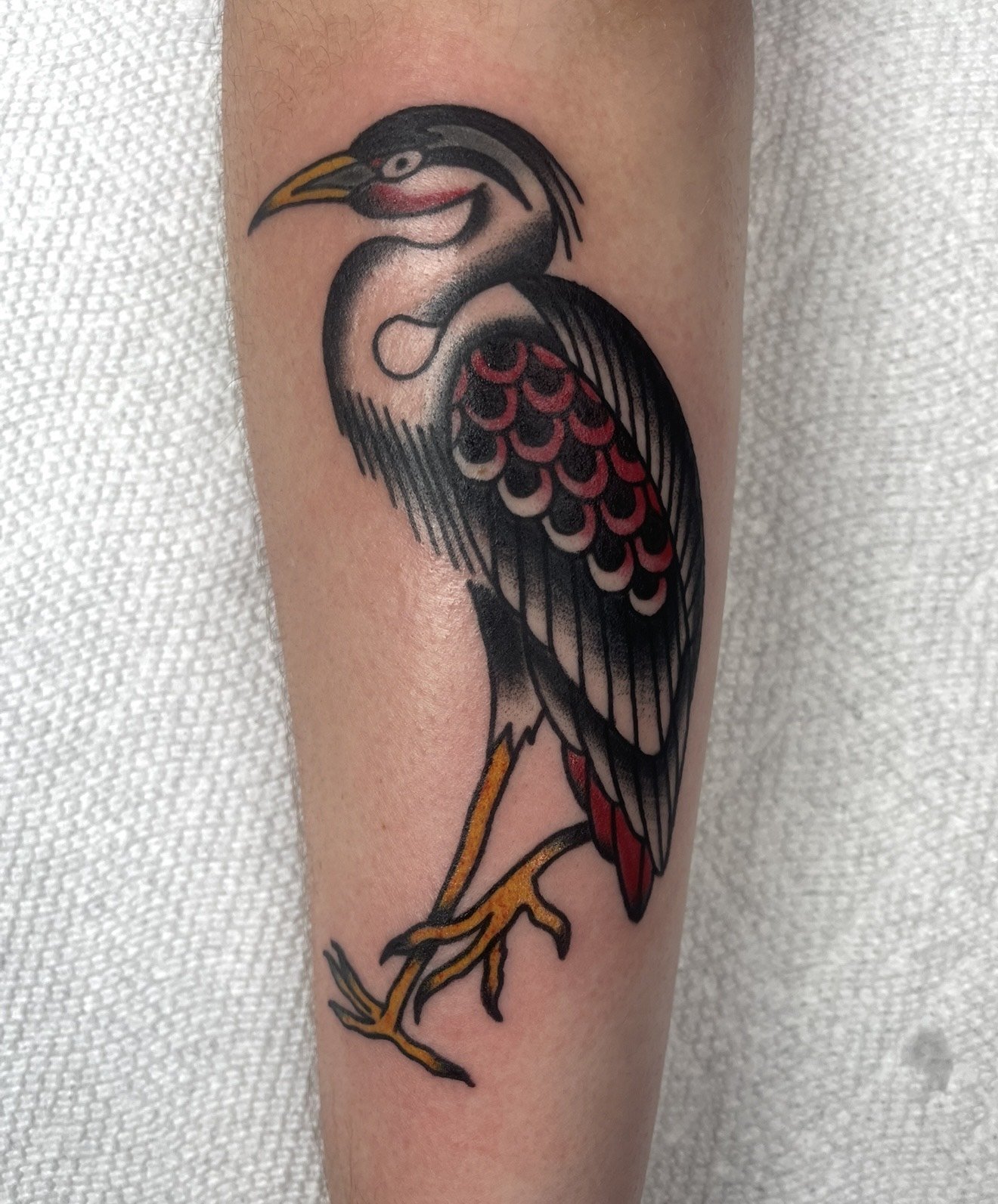
Around day four, the surface starts to flake like a peeling sunburn, and the flakes carry color, which makes people fear the tattoo is falling out. It is not. The top layer of skin was always going to shed; the ink that matters sits below it. What matters is that flakes come off on their own, in the shower or with washing. A flake pulled off early can take unsettled ink with it and leave a pale spot that needs a touch-up.
The itch peaks in this window too. Scratching a healing tattoo is picking by another name. A thin layer of lotion, a light slap over clothing, or simply leaving the room and doing something else all work better. If the tattoo is somewhere your waistband or bra strap crosses, loose clothing for this week saves real damage.
Weeks two to four: settled but not finished
By the end of week two, most pieces have shed their flakes and the no-soaking rules relax. The tattoo may still look slightly milky or shiny, sometimes called silver skin, because the new surface layer is still thin and scattering light. Colors look a touch muted in this stage and then sharpen as the skin finishes rebuilding. Judging a tattoo's final color at day ten is like judging a haircut while it is still wet.
Tenderness should be gone. What should also be gone is any heat, swelling or oozing. Healing that goes backwards (increasing redness after the first days, new pain, yellow discharge, a fever) is not a stage; that is a reason to contact the studio and, if it progresses, a doctor or urgent care. Real infections are uncommon in professional work, but they are treated seriously and early.
When touch-ups happen
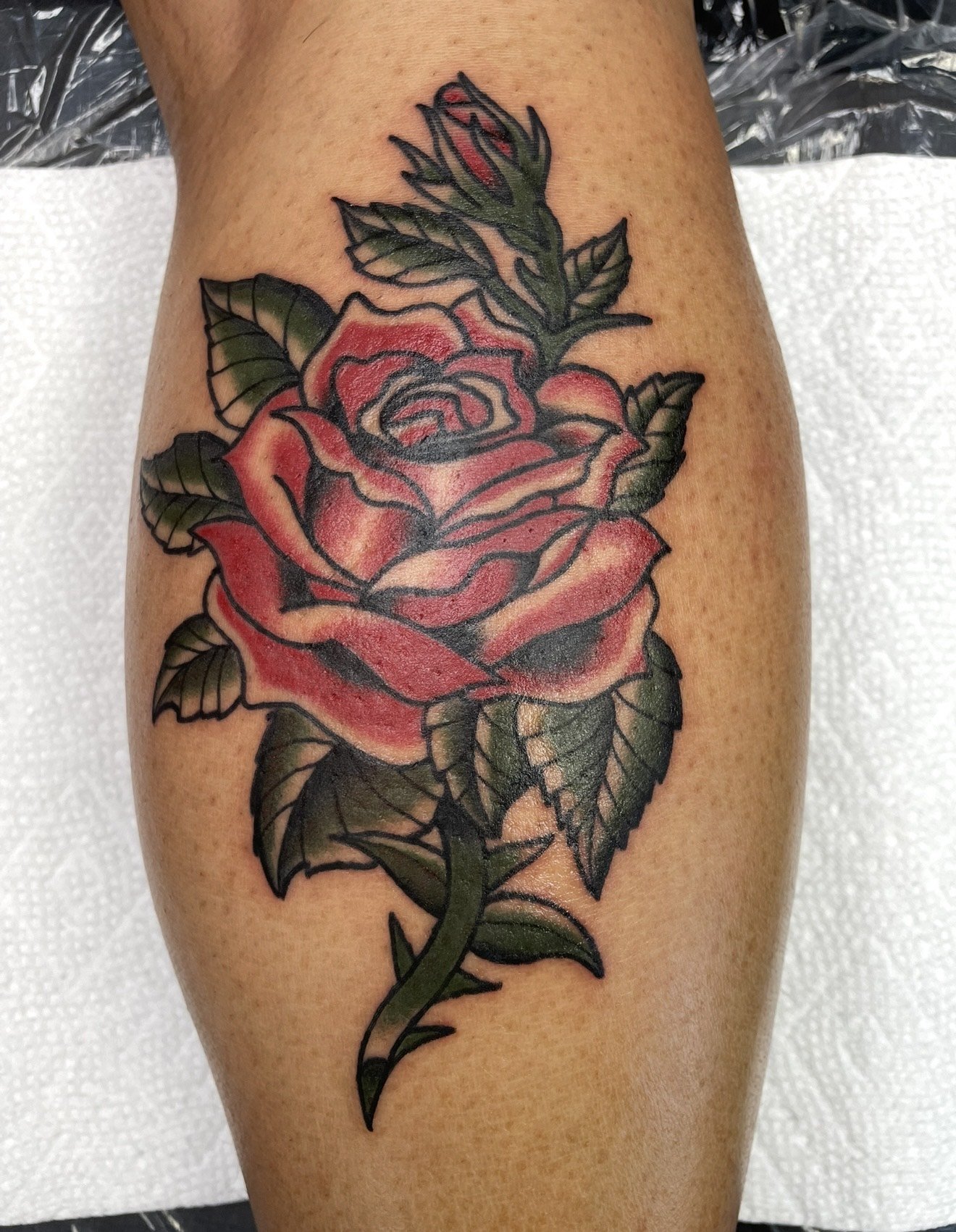
Studios commonly ask clients to wait at least four weeks before a touch-up, and many set a window, often within the first few months after healing, for free touch-up work. The wait exists because ink can only be judged once the skin has fully settled. A line that looks light at week two may be fine at week five.
Book a touch-up the way the studio asks, usually in person or by appointment on set days, so the artist can see the healed piece and judge how much time to book. Walking in expecting a same-day fix on a busy Saturday is the most common way to leave disappointed.
Common questions
How long until my tattoo is fully healed?
The surface typically heals in about two weeks, and the deeper layers finish settling over the following few weeks. By four to six weeks most tattoos look and feel fully healed. Large or heavily colored pieces can take a little longer.
Is it normal for a healing tattoo to look dull?
Yes. During the second and third weeks a thin new skin layer can give the tattoo a milky or shiny look that mutes the colors. As that layer matures, usually by week four or so, the colors sharpen back up.
What healing signs mean I should call someone?
Call the studio if redness spreads after the first few days, pain increases instead of fading, the area feels hot, or you see yellow discharge. Those signs can point to infection, and a clinician should see it promptly if they get worse.
← All guides from Lucky 13 Tattoo Studios← Back to Lucky 13 Tattoo Studios